AI Tools Weekly — September 19, 2026
Five things worth knowing this week if you're building content with AI tools: a new OpenAI model built to work through long tasks on its own, an interface update for Midjourney, a change that could cut Cursor off from OpenAI's models, a new AI image tool inside Google Workspace, and a managed runtime for building AI agents.
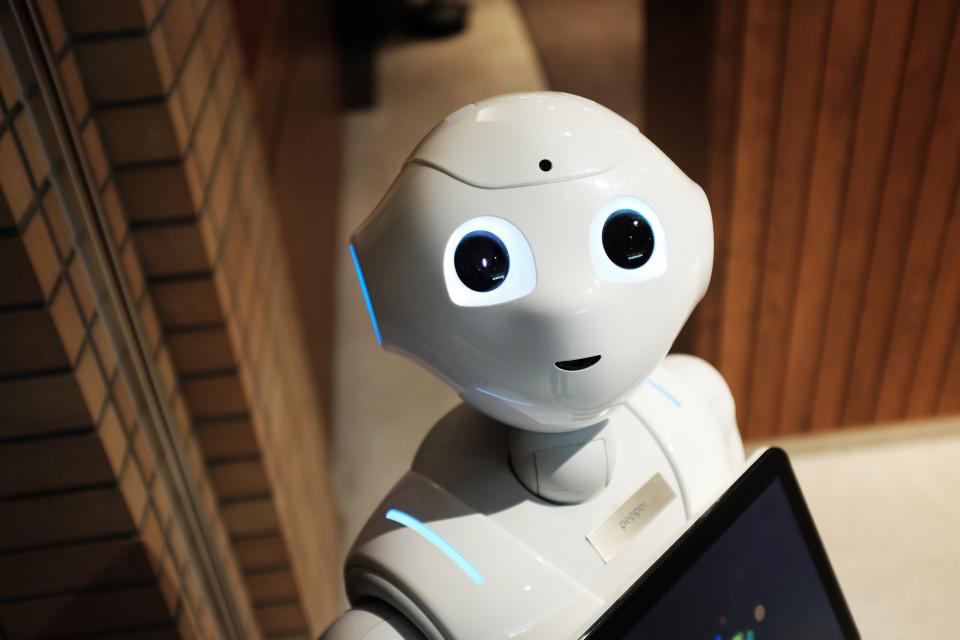
OpenAI Launches GPT-6 Astra, Built for Long, Multi-Step Work
OpenAI released GPT-6 Astra on September 3 to approved users, with general availability following on September 4. OpenAI describes it as its strongest computer-use model, designed to work through browsers, spreadsheets, documents, and presentations across multi-step tasks, so you can hand it a goal instead of a list of steps. The launch followed a pause: in August, OpenAI said it had slowed Astra's development after internal testing rated its cyber capabilities as "critical" under its Preparedness Framework, and the model shipped afterward with added safeguards. That is a slowdown, not the full halt some aggregator sites reported at the time.
Source: OpenAI, 2026.
Why it matters for creators: useful if you're delegating multi-step research or content prep work rather than prompting one step at a time. It's also a useful correction to a rumor we flagged as unconfirmed in our August 29 digest.
Midjourney's September 16 Alpha Update Refines the Editor
Midjourney's September 16 alpha changelog adds Korean language support (with volunteers being sought for other languages), improvements to the prompt bar, and draft batches that now show source images in a grid with hover previews. An Enhance button replaces the old Upscale button, "Add to Folder" now works from the editor even when you have no folders yet, and Animate, performance, and layout issues are fixed.
Source: Midjourney, 2026.
Why it matters for creators: worth checking if you use Midjourney alongside image tools already covered here, like our Ideogram and Leonardo AI reviews. Steady interface refinement is a good sign for a tool many creators use daily.
Cursor Faces Losing Direct OpenAI Model Access
OpenAI has said Cursor will lose direct access to its models after SpaceX acquired the AI coding tool, with November 12 named as the proposed cutoff. OpenAI says it cannot be confident SpaceX will use its technology within its terms, and that the official termination date will be set once both companies confirm it. Cursor users can still bring their own OpenAI API key for local Chat and Agent features, or connect through Bedrock or Azure. The news dates to late August, so it isn't new this week, but the November date is drawing closer.
Source: CNBC, 2026.
Why it matters for creators: AI tools built on one provider's models can change overnight when ownership does. Check which model actually powers a tool before you rely on it long-term.

Google Launches Google Pics Inside Workspace
Google launched Google Pics on September 1, a standalone AI image creation and editing tool built into Google Workspace on its Nano Banana model. It generates images from a prompt, supports object-based edits, lets you edit images from Docs and Slides in one click, and shares through Drive. It's rolling out to Business Standard and Plus, Enterprise Standard and Plus, and Google AI Pro and Ultra plans.
Source: Google Workspace Updates, 2026.
Why it matters for creators: another AI image option entering a crowded field, alongside tools we've reviewed like Ideogram, Canva AI, Leonardo AI, and Kittl. It's convenient if you already work inside Google Docs and Slides, though it's tied to specific paid Workspace plans.

OpenAI's Agents API Enters Public Beta as a Managed Runtime
OpenAI put its Agents API into public beta on September 10. What's new is that OpenAI now hosts and runs its Codex agent harness behind a single API call, handling sessions, context compaction, sub-agent delegation, and crash recovery. Earlier tools like the Agents SDK left developers to build that orchestration themselves. There's no extra fee beyond tokens, tool use, and any hosted sandbox compute.
Source: MarkTechPost, 2026.
Why it matters for creators: relevant if you use automation tools like Zapier, Make, or n8n. Expect more AI-agent options to show up inside them over the coming months.